How to Use a Freestyle Type Beat to Build a Hard-Flow Track
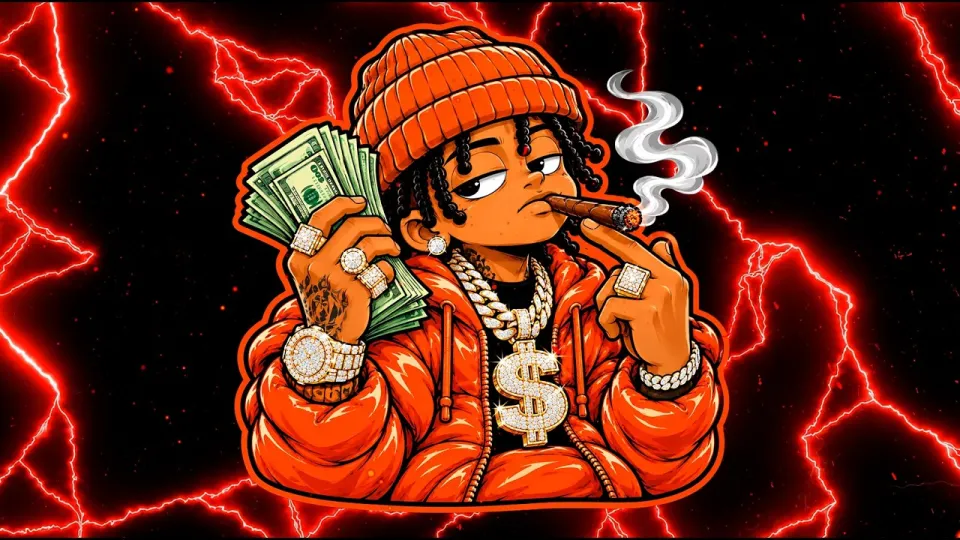
Video: FREESTYLE TYPE BEAT - ''I HAVE HARD FLOW'' | Trap Instrumental 2026 | Rap Type Beat
Want articles like this for your own video to promote it on YouTube and Google? Order them through the Telegram bot @sat_sit_bot. Articles with your video embedded are written and posted by the bot itself — on popular topical sites (no ads). Try it free: 50 articles on us.
· based on the channel Rey Pandora Beats
Key takeaways
- A freestyle type beat is a ready-made trap instrumental built for writing and recording verses quickly, usually with an open drum pattern and a simple melodic loop.
- Rey Pandora Beats' "I HAVE HARD FLOW" is a hard trap instrumental published on 19 October 2026 and aimed at punchline-driven rap.
- Free use of the beat is allowed for non-monetized YouTube videos and personal projects with producer credit.
- Monetization on YouTube or distribution to Spotify, Apple Music and iTunes requires a paid commercial license.
- Commercial licenses and the full catalog are available at https://reypandorabeatsoff.beatstars.com/.
A freestyle type beat is a pre-made trap instrumental designed for writing and recording a verse fast: usually a hard drum pattern, a short melodic loop and enough empty space for a rapper to find a flow. The practical way to use one is to pick a beat that matches your delivery, map its bar structure, write to the pocket of the drums, record in one or two takes and only then decide whether you need a commercial license. The track "I HAVE HARD FLOW" from Rey Pandora Beats is a working example of that format, and the producer's catalog sits at the Rey Pandora Beats store, where licenses and ready-to-use instrumentals are listed.
What a freestyle type beat actually is
A freestyle type beat is an instrumental produced in the style of a known rap lane and sold or shared for other artists to write over, rather than a beat made for one specific song. In the trap version, that normally means 808 bass, programmed hi-hats, a dark or minor-key melody and a tempo that leaves room for triplet or double-time flows. The "type" label is a search convention: producers tag beats as trap type beat, hard type beat or freestyle type beat so rappers can find a sound close to what they already listen to.
The distinction that matters for a rapper is between a beat built for hooks and a beat built for bars. Freestyle instrumentals usually keep the arrangement steady for 16 or 32 bars so the vocalist can ride one pocket without the track shifting underneath. Hard trap instrumentals push the low end and the hat patterns forward, which rewards aggressive delivery and short, punchy lines. "I HAVE HARD FLOW" sits in that second category by title and by design, and it was published on the Rey Pandora Beats channel on 19 October 2026.
How to choose the right hard trap instrumental
Choosing the right beat is a matching exercise between your voice, your flow and the drum pattern, not a search for the most popular file. Run through these checks before you download anything:
- Tempo and feel. Count how many bars pass before the drums change. If the beat holds one loop for eight bars or more, it is freestyle-friendly.
- Hat density. Fast hi-hat rolls invite double-time or triplet flows; sparse hats leave space for slower, more deliberate delivery.
- Low-end room. A hard 808 pattern can crowd a deep voice. Test by speaking the first line over the beat before writing the rest.
- Melody space. Dense melodic loops compete with the vocal; simple loops leave room for ad-libs and layered takes.
- Arrangement drops. Note where the beat drops out or adds a layer, because those moments make natural verse or hook transitions.
A useful habit is to audition three beats in one sitting and record a 30-second phone memo over each. The one you finish a sentence on without stumbling is usually the right pick.
Building a hard-flow verse over a freestyle type beat
A hard flow comes from consistent rhythm and clear line endings, not from rapping faster than the beat. Start by writing eight bars with a fixed number of syllables per line, then vary the pattern once the pocket is locked. Keep the first line short and declarative so the entry lands on the downbeat, and place your strongest image or punchline at the end of bar four and bar eight, where the listener expects a resolution.
Structure the verse in blocks: four bars to establish the tone, four bars to develop it, four bars with a change of cadence, and a final four that returns to the opening rhythm. Record a reference take on your phone before you touch a microphone in the studio. When you move to the real session, record the main vocal in two or three full passes rather than punching line by line; freestyle-style delivery depends on momentum, and stitched takes tend to lose it. Double the last word of every fourth bar for emphasis, and keep ad-libs on a separate track so they can be muted later.
Recording, mixing and releasing the track
The recording chain matters less than the room and the gain staging: a treated corner and a consistent distance from the microphone beat an expensive preamp in a reflective bedroom. Set input levels so the loudest line peaks around -12 dB and leave headroom for mixing. In the mix, cut the vocal around 200–300 Hz to clear space above the 808, compress lightly, and use a short plate or slap delay instead of long reverb so the words stay intelligible over a busy trap beat.
Before release, check the license. Rey Pandora Beats allows free use of the instrumental in non-monetized YouTube videos and personal projects as long as the producer is credited as Rey Pandora Beats in the description or credits. Monetized YouTube uploads and distribution to Spotify, Apple Music, iTunes and similar platforms require a commercial license, which is purchased through the producer's BeatStars store. Credit and license terms are separate obligations: paying for a license does not remove the need to name the producer, and crediting does not replace a license.
Questions rappers ask about type beats
The most common doubts around freestyle type beats are about originality, credit and monetization, and they come up in nearly every comment thread under a hard trap upload. One recurring theme is whether a type beat limits an artist's identity; in practice, the instrumental is a starting point, and the vocal performance, subject matter and arrangement choices are what make the record yours. Another is whether a free download can be used on streaming platforms, which it cannot without a commercial license.
A third theme is visuals and presentation: listeners notice when a beat's artwork or video style changes, and some prefer the older look of a channel. That is a reminder that the beat is only part of the package a rapper inherits when they build a release around someone else's instrumental, so plan your own cover art and video treatment rather than reusing the producer's. Finally, many rappers ask how to know a beat is "hard" enough; the honest answer is that hardness comes from the performance and the mix, and a sparse trap instrumental often sounds heavier after a confident vocal is placed on it.
Where to get the beat and the license
The instrumental featured here and the rest of the catalog are distributed through the producer's official store, which is the only place to confirm current license terms. Rey Pandora Beats also shares contact details for business enquiries and updates the channel with new trap instrumentals, including freestyle and hard type beat releases. If you plan to upload a song to streaming services, buy the license before you record the final vocal, not after the release is scheduled.
Final takeaway
A freestyle type beat is a tool, and the result depends on how precisely you use it: match the tempo and hat pattern to your delivery, lock an eight-bar pocket, record full passes, mix the vocal around the 808 and clear the license before release. "I HAVE HARD FLOW" by Rey Pandora Beats is a straightforward hard trap instrumental for exactly that workflow, and the channel is worth following if you write in this lane. Start with a beat you can finish a sentence on, then build the verse around the drums rather than on top of them. When the track is ready for release, get the commercial license and the full catalog at Rey Pandora Beats on BeatStars.
Source: FREESTYLE TYPE BEAT - ''I HAVE HARD FLOW'' | Trap Instrumental 2026 | Rap Type Beat · Markdown version
Questions & answers
Can I use a freestyle type beat for free on YouTube?
Yes, if the video is not monetized and you credit the producer in the description or credits. Rey Pandora Beats permits free use in non-monetized YouTube videos and personal projects, but any monetized upload needs a commercial license.
Do I need a license to put a type beat track on Spotify or Apple Music?
Yes. Distribution to Spotify, Apple Music, iTunes and similar platforms counts as commercial use, so a paid commercial license is required. The license is purchased through the producer's BeatStars store before release.
Does using a type beat make my song unoriginal?
No. Many artists write over type beats; the identity of the record comes from your writing, delivery, arrangement and mix. The instrumental sets the tempo and mood, but the vocal performance is what listeners recognize as yours.
How do I know if a hard trap beat fits my flow?
Test it with a short spoken or recorded pass over the first eight bars. If you can land a full line on the downbeat without rushing, the tempo and hat pattern fit; if you keep stumbling, choose a sparser beat or a slower tempo.